For Midjourney v6 & v7
Midjourney image to prompt generator
Drop in a reference image and get back a written Midjourney prompt describing its subject, composition, lighting, lens and colour treatment — then add the parameters below to lock the aspect ratio and style. Free, no sign-up.
Drop an image here
or click to browse
Generated prompt
Upload an image to generate your prompt. The sample Output will look like this
Create an image based on the following guidelines: a cinematic, high-contrast cyberpunk street at night, a lone figure in a translucent raincoat walking away from camera down a narrow alley. Wide shot, camera at chest height, subject centred on the lower third with signage filling the frame above. Key light from magenta neon on the left, cyan spill from a vending machine on the right, wet asphalt bouncing both back up; deep unlit shadows between the light sources. Palette: magenta, cyan, black, one warm sodium accent. 35mm at f/2, subject sharp, signage falling soft, visible rain streaks and light haze, fine film grain, no lens flare, no text artefacts.
Try a popular style
Hover a card to preview the style or copy its ready-to-paste prompt.
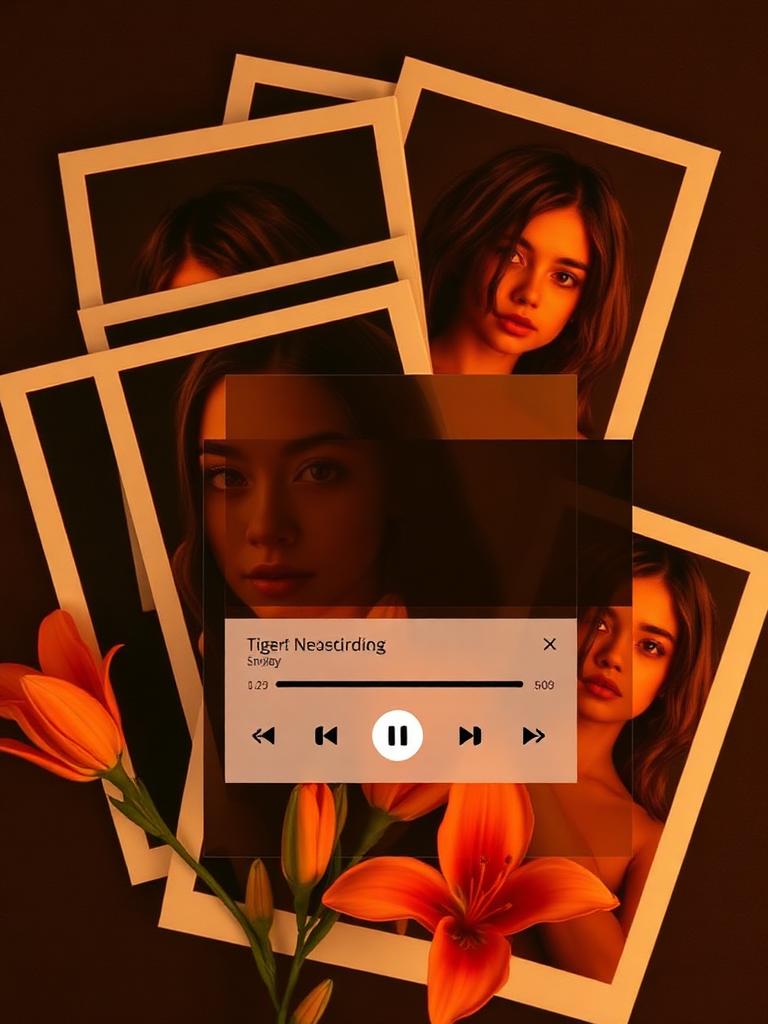
Music card collage
Layered frames with a floating player
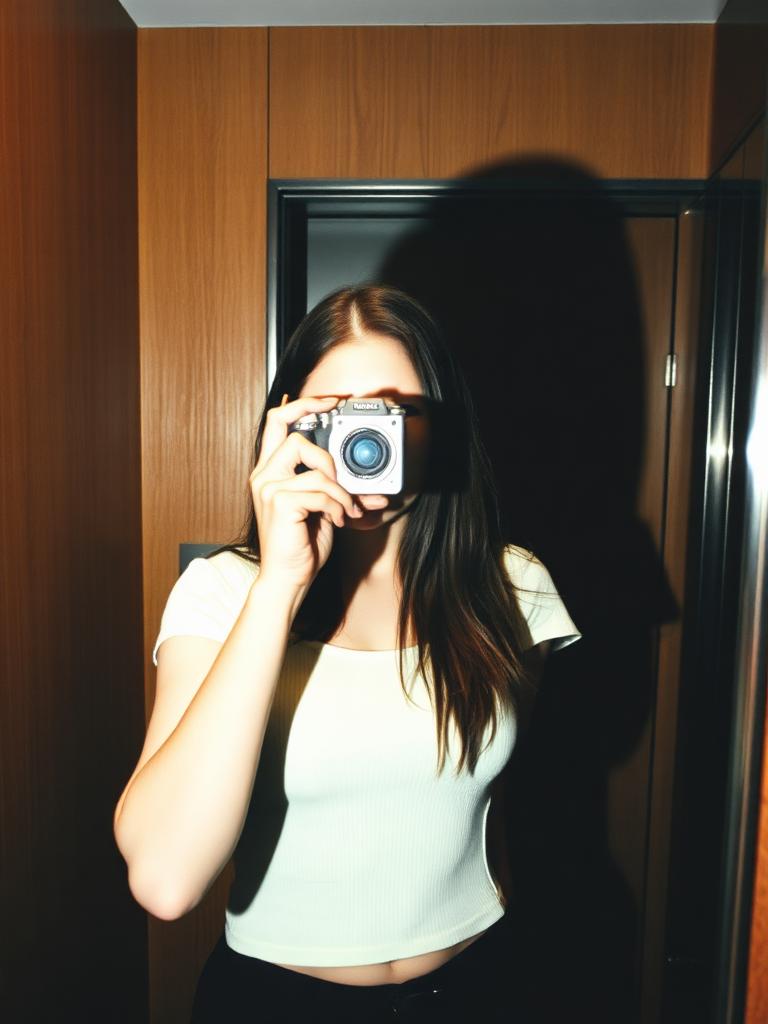
Flash effect
Y2K digicam direct-flash selfies
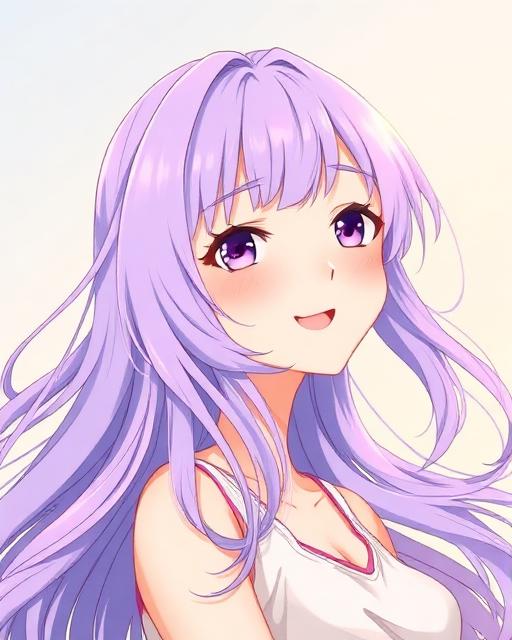
Anime
Cel-shaded anime key-visual portraits
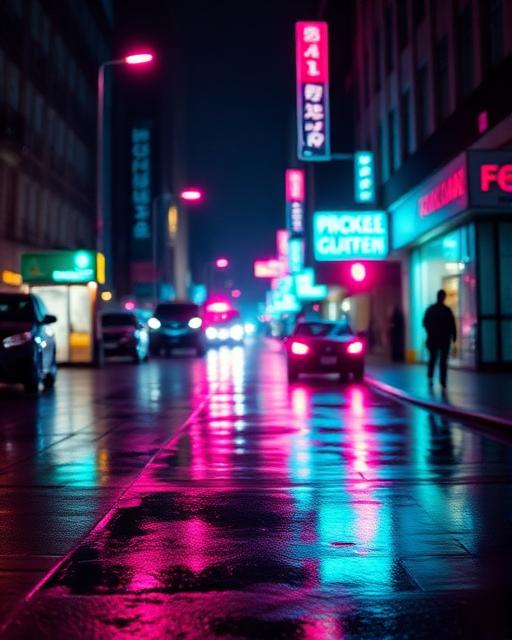
Cinematic night
Neon-noir rainy street stills
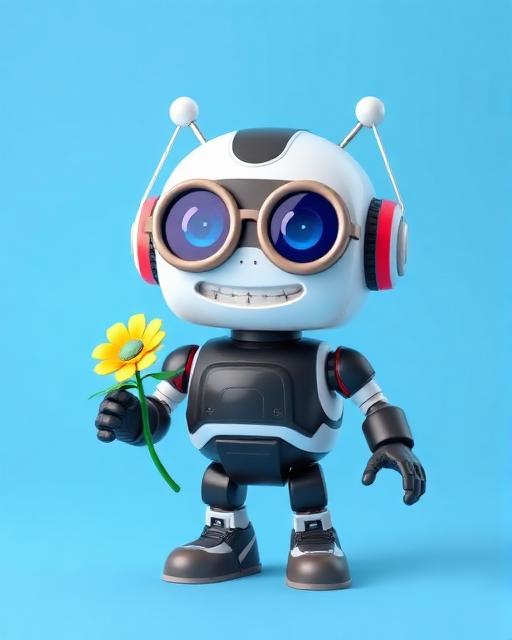
3D avatar
Soft toy-like 3D characters
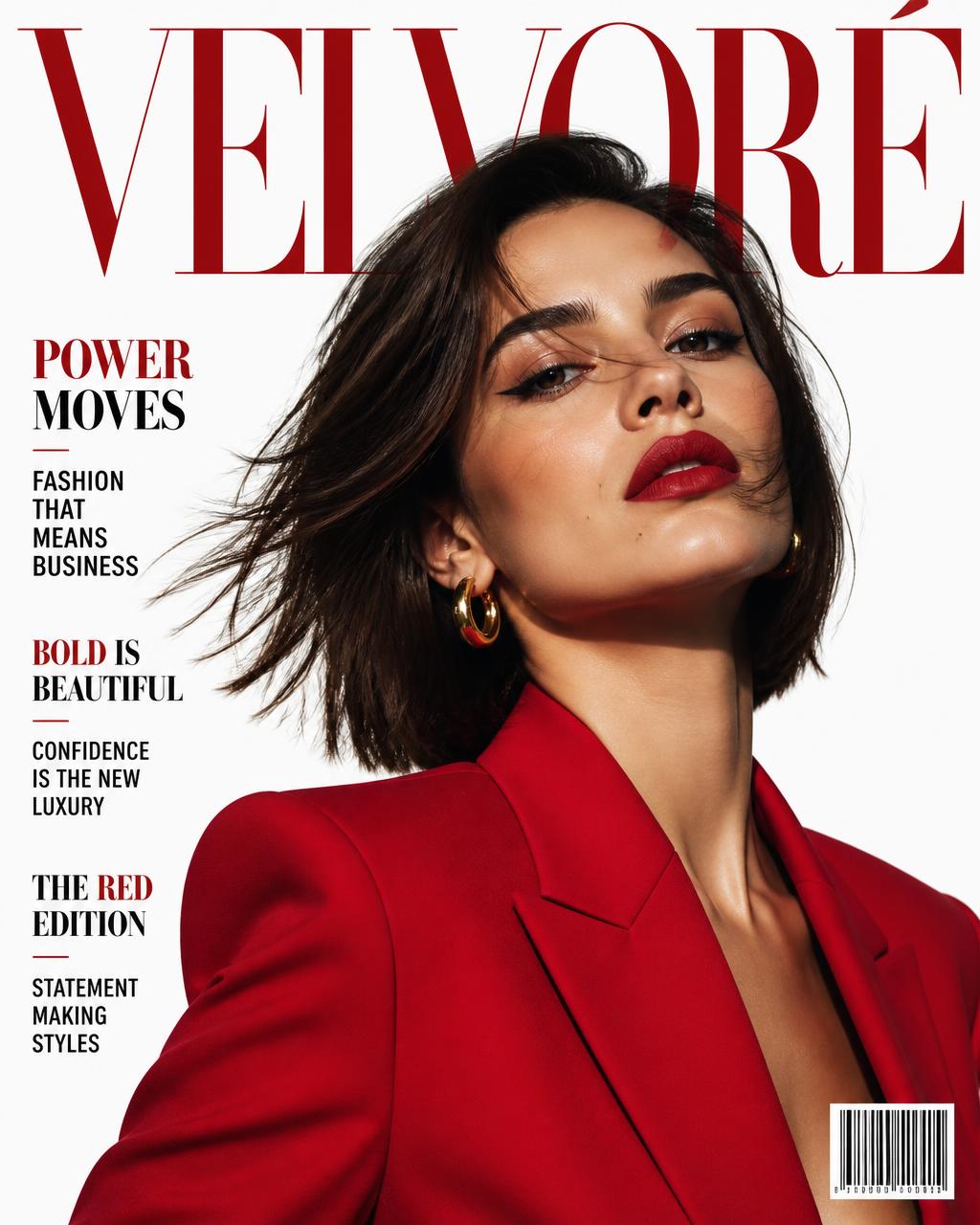
Magazine cover
Glossy editorial cover layouts
How to turn the output into a Midjourney command
- 1. Generate the description. Upload the reference above. You get a paragraph covering subject, framing, light direction, lens character and grade.
- 2. Type /imagine and paste it. Keep the sentence structure — v6 and v7 parse natural language far better than keyword soup.
- 3. Append parameters. At minimum an aspect ratio and a version. Add
--style rawwhenever the reference is photographic. - 4. Tune with stylize. If the result drifts from your reference, lower
--stylize. If it looks flat and literal, raise it.
Midjourney parameters worth knowing
| Parameter | What it does |
|---|---|
| --ar 3:2 | Aspect ratio. Match it to the reference image or your final placement. |
| --v 7 | Model version. v6 and v7 read natural-language prompts best. |
| --style raw | Turns off Midjourney's default beautification — vital for photographic or documentary references. |
| --stylize 100 | How much artistic licence Midjourney takes. Low (50–150) stays close to your description; high (600+) drifts. |
| --chaos 0 | Variation between the four grid images. Keep at 0 when you are matching a reference. |
| --no text, watermark | Exclusions. Add anything the reference happens to contain that you do not want. |
A finished Midjourney prompt
This is what a grab from a night-street photograph looks like once the parameters are attached. Everything before --ar came from the tool; the tail was added by hand.
Create an image based on the following guidelines: a lone figure in a long charcoal overcoat standing at the centre of a rain-slicked city crossing at night, shot from a low three-quarter angle so the figure breaks the horizon. Wet asphalt mirrors neon signage in magenta and cyan, the only warm light a sodium street lamp behind the subject creating a hard rim on the shoulders and hair. Shallow depth of field, 50mm lens equivalent, f/1.8, background traffic reduced to soft circular bokeh. Muted desaturated midtones with crushed blacks and a faint cool cast in the shadows, fine 35mm grain, subtle chromatic aberration at the frame edges. Cinematic photographic realism, no illustration, no lens flare. --ar 3:2 --v 7 --style raw --stylize 120 --no text, watermark
Notice what is doing the work: the light is described by direction and source rather than mood, the lens is given as a focal length and aperture rather than “blurry background”, and the exclusions are explicit. Those three habits matter more than any parameter.
Common mistakes when prompting Midjourney from a reference
Stacking style words. “cinematic, hyperrealistic, 8k, masterpiece, trending” cancels itself out. One clear stylistic statement beats five vague ones.
Forgetting --style raw. Midjourney's default aesthetic pushes contrast and saturation. For documentary, product or editorial references it will always overshoot unless you turn it off.
Mismatched aspect ratio. A composition described for a 3:2 frame falls apart at 1:1 — the subject gets recentred and the negative space you wanted disappears.
Describing content instead of treatment. If you want the look of a reference and not its subject, keep the lighting, lens, palette and grain sentences and swap only the subject clause.
Frequently asked questions
- Does Promptify write Midjourney parameters for me?
- The tool returns a full descriptive prompt. Midjourney parameters like --ar, --v and --stylize are appended by hand in seconds using the reference table on this page — they depend on the aspect ratio and version you are working in, so hard-coding them would usually be wrong.
- Which Midjourney version should I use the prompt with?
- Descriptive prompts written in plain sentences work well on v6 and v7. Older versions respond better to short comma-separated keyword lists, so trim the prompt down if you are pinned to v5.
- Will the result be identical to the original image?
- No. A prompt captures style, composition, lighting and treatment, not the exact pixels. Expect a picture in the same visual family, which is what most people actually want when they reverse-engineer a reference.
- Is it free?
- Promptify is currently free to use. There is no account, sign-up or credit card required.