


AI Prompt Tools

Three ways to turn a visual reference into a prompt

Promptify reads something you already like and writes back the description behind it. Pick the tool that matches your reference — a photograph or render, a live web page, or a poster and infographic layout — then edit the result until it matches your intent.

Drop an image here

or click to browse

Generated prompt

Upload an image to generate your prompt. The sample Output will look like this

Create an image based on the following guidelines: a cinematic, high-contrast cyberpunk street at night, a lone figure in a translucent raincoat walking away from camera down a narrow alley. Wide shot, camera at chest height, subject centred on the lower third with signage filling the frame above. Key light from magenta neon on the left, cyan spill from a vending machine on the right, wet asphalt bouncing both back up; deep unlit shadows between the light sources. Palette: magenta, cyan, black, one warm sodium accent. 35mm at f/2, subject sharp, signage falling soft, visible rain streaks and light haze, fine film grain, no lens flare, no text artefacts.

Try a popular style

Hover a card to preview the style or copy its ready-to-paste prompt.

Explore all styles
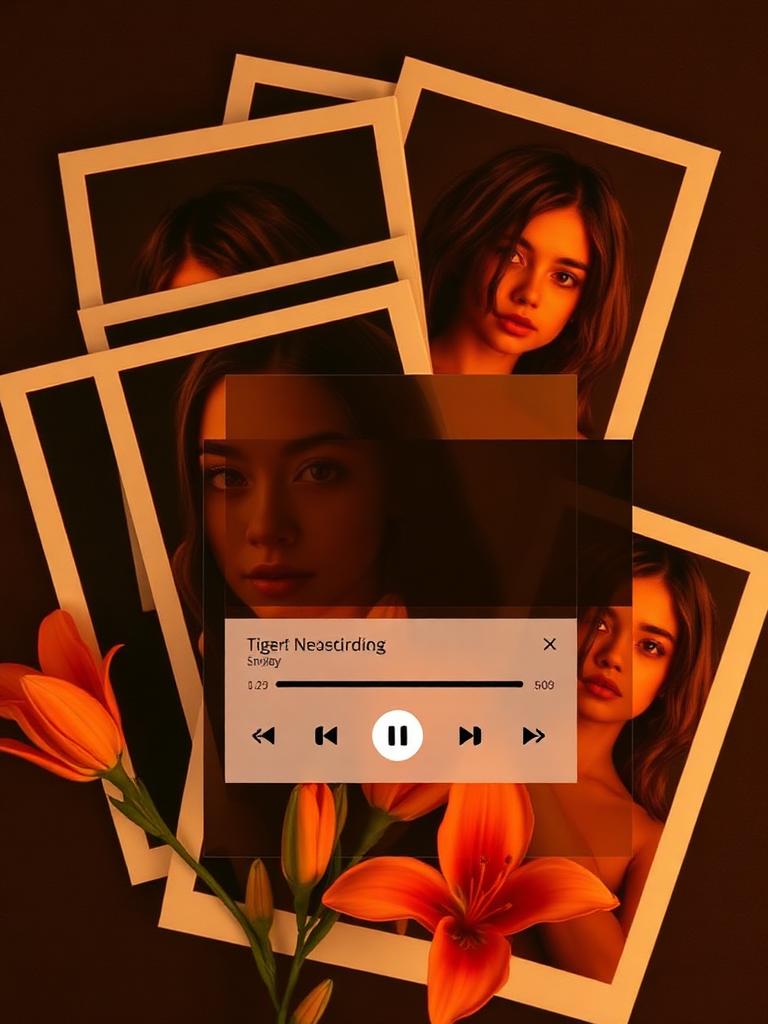
Music card collage style preview

Music card collage

Layered frames with a floating player

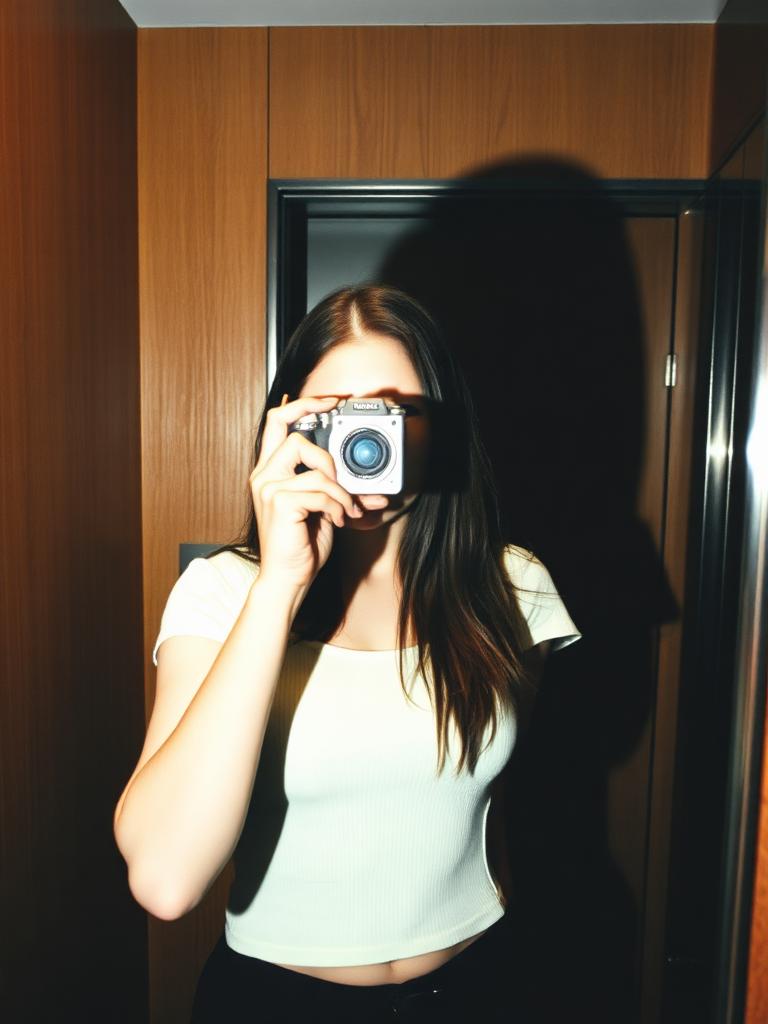
Flash effect style preview

Flash effect

Y2K digicam direct-flash selfies

Anime style preview

Anime

Cel-shaded anime key-visual portraits

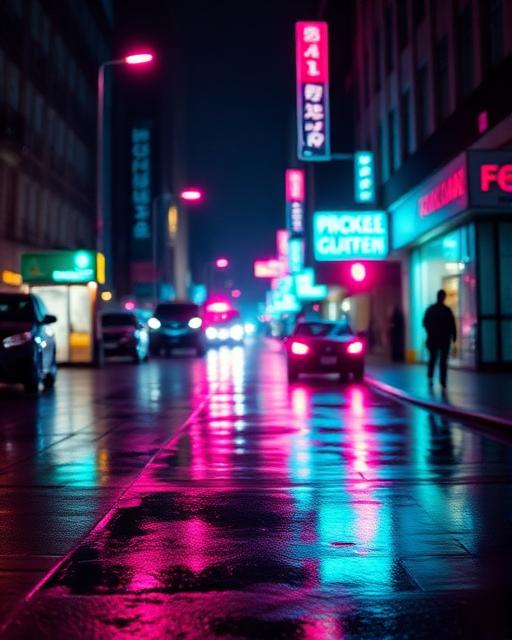
Cinematic night style preview

Cinematic night

Neon-noir rainy street stills

3D avatar style preview

3D avatar

Soft toy-like 3D characters

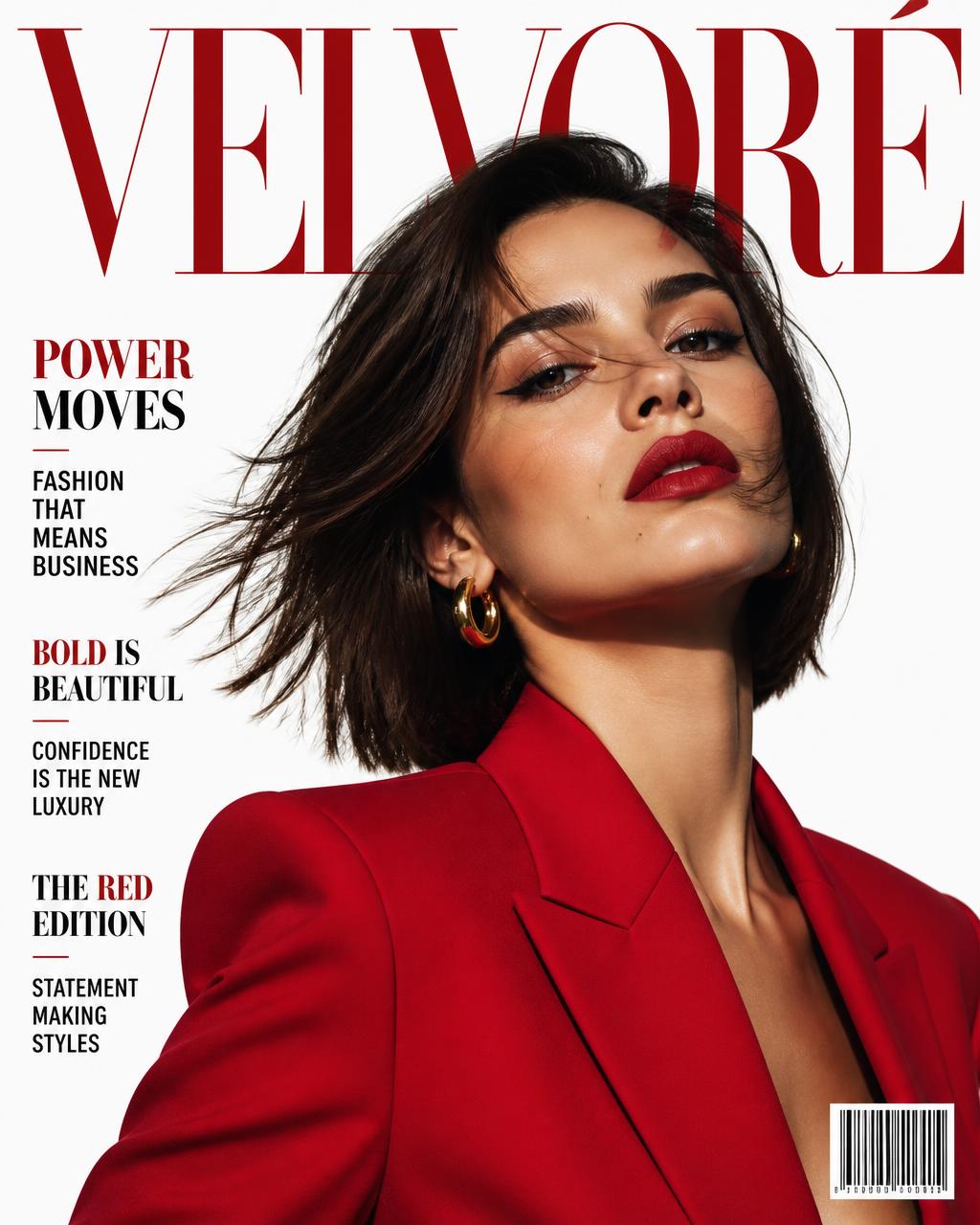
Magazine cover style preview

Magazine cover

Glossy editorial cover layouts

Image to Prompt

Image to Prompt

The image tool reads a single photograph, illustration or 3D render and describes the choices behind it: what the subject is and where it sits in frame, how the scene is lit, what the perspective and apparent focal length suggest, and how colour and texture behave across the picture. The output is written as a prompt you can paste into an image generator, plus a short negative prompt for the things you probably want to avoid.

It is most useful when you have a look you want to repeat with different content — a set of product shots that should feel like one campaign, a mood you saw in a film still, a lighting setup you want to study. Photographers use it to read a lighting and lens choice; illustrators use it to name a style they can only point at.

Images with one clear subject and a readable lighting direction work best. Busy collages, heavy watermarks, very low resolution files and screenshots of text tend to produce vaguer descriptions, because there is less consistent visual evidence to read. If your result feels generic, crop tighter on the part of the image you actually care about and run it again.

Read the image-to-prompt guide for what the analysis can and cannot infer.

Website / UI to Prompt

Website and UI to Prompt

Paste a public URL and Promptify fetches the page, reads its markup and stylesheets — including CSS custom properties — and renders the page so the section order comes from what is actually visible rather than from heading tags alone. From that evidence it writes a design brief: the palette with real hex values, the type scale and weights, spacing and radius conventions, component styling such as buttons and cards, and the order of the page's sections from header to footer.

You can ask for layout only, theme only, or both. Layout is the right choice when you are planning a page structure; theme is the right choice when you are setting up a design system and only need colour, type and component language.

Designers use it to describe a direction precisely in a brief instead of attaching a screenshot. Developers use it to bootstrap tokens before building. Product teams use it to state exactly what should stay and what should change in a rebuild. It describes a design direction — it is not a way to clone a competitor's site, and you should treat someone else's branding as theirs.

Pages that render everything client-side or block automated requests return a thinner reading than server-rendered pages. See how to create AI prompts for design inspiration.

Poster / Design to Prompt

Poster and design to Prompt

Upload a poster, flyer, album cover, editorial spread or data graphic as an image or PDF. This tool reads composition the way a designer would: the underlying grid and margins, how the eye is meant to travel from the largest element downward, the relationship between headline, subhead and supporting text, the palette and how much of the surface each colour occupies, and the character of the type — weight, width, case, letter-spacing and the contrast between families.

It also describes graphic elements: rules and dividers, shapes and cut-outs, texture and grain, image treatment, and how much of the layout is left empty. For infographics it reads the chart types and how data is grouped and labelled.

Use it when you need to produce a family of layouts that share one visual system, when you are studying a poster style you admire, or when you want to hand a precise written brief to a collaborator or a generator. Flat, straight-on scans read better than photos of a poster on a wall, where perspective and uneven light distort the evidence.

Keep going

New to prompt writing? Start with what an AI image prompt is, then work through how to write better prompts and the annotated examples.